What is knee arthroscopy?
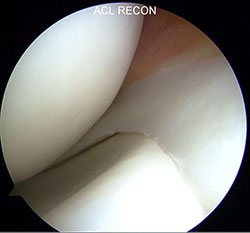
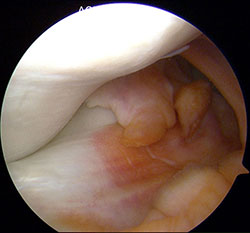
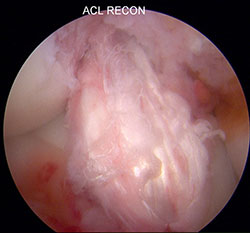
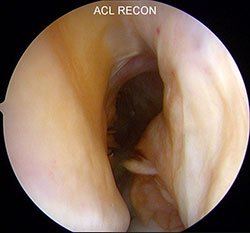
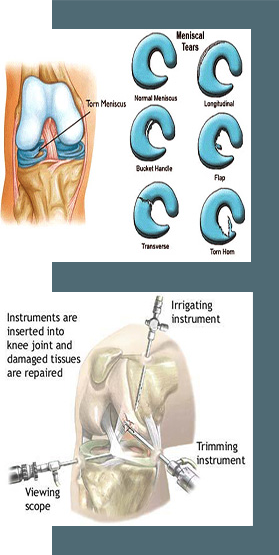
Knee arthroscopy is a minimally invasive surgical procedure used to diagnose and treat a variety of knee conditions. During the procedure, a small camera (arthroscope) is inserted into the knee joint through a small incision, allowing Dr Naidu to view the inside of the joint in detail. Specialised instruments can then be used through additional small incisions to treat the underlying problem.
What should I consider before knee arthroscopy?
Knee arthroscopy may be recommended when symptoms such as pain, swelling, instability, locking, or reduced movement do not improve with conservative treatment. It can be used to diagnose and treat a range of knee conditions and injuries.
Conditions commonly treated with knee arthroscopy include:
- Meniscus tears
- Ligament injuries
- Cartilage damage
- Loose bodies within the knee joint
- Synovial inflammation
- Certain sports-related knee injuries
Before recommending surgery, Dr Naidu will perform a thorough evaluation to determine whether knee arthroscopy is the most appropriate treatment option for you. This assessment may include a physical examination, X-rays, and, where necessary, an MRI scan.
All aspects of the procedure, recovery, and rehabilitation process will be discussed with you beforehand. Post-operative rehabilitation is an important part of achieving the best possible outcome following knee arthroscopy.
What should I know after knee arthroscopy?y?
Following surgery, you may work with a physiotherapist to assist with your recovery, mobility, and rehabilitation. They will guide you through exercises and advise you on any movement restrictions or precautions during the healing process.
After the procedure, you will receive:
- Antibiotics to reduce the risk of infection
- Pain medication to manage discomfort
- Guidance on rehabilitation and activity progression
Recovery times vary depending on the nature and severity of the condition being treated. While many patients are able to return to normal daily activities relatively quickly, more complex procedures, particularly those involving ligament reconstruction, may require a longer and more structured rehabilitation programme.
Recovery takes time, and it is important to allow your body adequate opportunity to heal. Following your rehabilitation plan carefully is essential for restoring strength, mobility, and function.
Dr Naidu will guide you through a recovery programme to support the best possible outcome and a safe return to your normal activities.