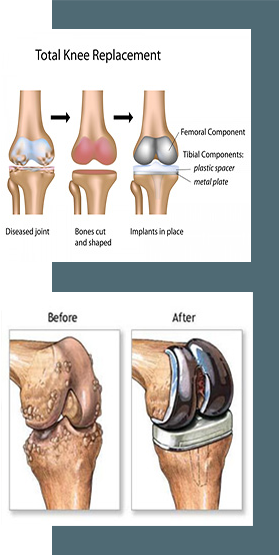
What is knee replacement?
Knee replacement is a surgical procedure in which damaged bone and cartilage within the knee joint are removed and replaced with prosthetic components. The goal of the procedure is to relieve pain, improve mobility, and restore function and quality of life.
What should I consider before knee replacement surgery?
A damaged or worn knee joint can cause significant pain, stiffness, and reduced mobility, making everyday activities increasingly difficult. Knee replacement surgery is usually considered when conservative, non-surgical treatments are no longer effective in relieving symptoms.
Conditions that commonly lead to knee joint damage include:
- Osteoarthritis
- Rheumatoid arthritis
- Post-traumatic arthritis
- Severe knee injuries or fractures
- Degenerative joint disease
Before recommending surgery, Dr Naidu will perform a thorough evaluation to determine whether knee replacement is the best treatment option for you. The procedure generally takes about two hours, and all aspects of the surgery, recovery, and rehabilitation process will be discussed with you beforehand.
During the procedure, the damaged surfaces of the knee joint are removed and replaced with specially designed prosthetic components. The lower end of the femur (thigh bone) and the upper end of the tibia (shin bone) are typically resurfaced with metal components, while a durable plastic insert is placed between them to recreate the joint surface and allow smooth movement.
Post-operative rehabilitation is an important part of achieving a successful outcome after knee replacement surgery.
What should I know after knee replacement surgery?
Following surgery, you will work closely with a physiotherapist to assist with your recovery and mobility. They will guide you on exercises, movement limitations, and precautions to help you regain strength and function safely.
After the procedure, you will receive:
- Antibiotics to reduce the risk of infection
- Pain medication to manage discomfort
- Preventative treatment to reduce the risk of blood clots (DVT)
Most patients are discharged once they can safely mobilise, climb stairs with assistance if required, and bend the knee to an appropriate degree. This is often within 3–5 days after surgery.
Recovery takes time, and full mobility will not return immediately after surgery. It is important to allow your body adequate time to heal and to follow your rehabilitation plan carefully. Recovery timelines vary depending on the severity of your condition before surgery and your individual healing process.
Dr Naidu will guide you through a recovery and rehabilitation plan to support the best possible outcome following your knee replacement