What are orthopaedic trauma and emergencies?
Orthopaedic trauma refers to injuries affecting the bones, joints, muscles, tendons, and ligaments. These injuries are often caused by falls, sporting injuries, workplace accidents, or motor vehicle collisions and may require urgent medical attention.
Orthopaedic emergencies commonly include:
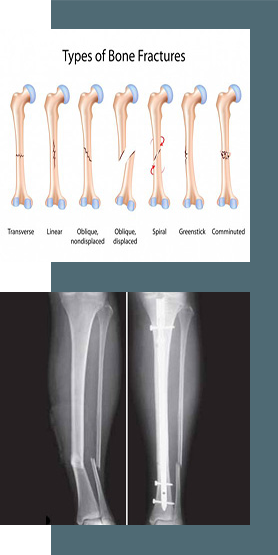
- Bone fractures
- Joint dislocations
- Joint infections
- Severe soft tissue injuries
- Polytrauma involving multiple injuries
Prompt assessment and treatment are important to prevent complications, reduce pain, and support optimal recovery.
When should I seek urgent orthopaedic care?
You should seek urgent medical attention if you experience:
- Severe pain following an injury
- Swelling or significant bruising
- Visible deformity of a limb or joint
- Inability to bear weight or use the affected limb
- A joint that appears out of place or dislocated
- Fever, swelling, redness, and severe joint pain
- Open wounds associated with a fracture
These symptoms may indicate a fracture, dislocation, infection, or another serious orthopaedic condition requiring urgent treatment.
What treatment options are available?
Treatment depends on the type and severity of the injury. Following a thorough assessment, including imaging such as X-rays or CT scans, Dr Naidu will recommend the most appropriate treatment plan.
Treatment options may include:
- Splints, braces, or casts
- Fracture reduction and stabilisation
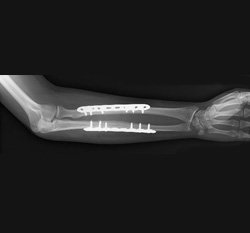
- Internal fixation using plates, screws, or intramedullary nails
- External fixation for complex or open fractures
- Joint relocation for dislocations
- Surgical management of severe injuries or polytrauma
- Debridement and washout procedures for joint infections
In cases of severe trauma involving multiple injuries, a staged approach known as damage control orthopaedics may be used. This allows fractures to be stabilised initially while other life-threatening injuries are managed before definitive surgery is performed.
What should I know about recovery?
Recovery depends on the nature and severity of the injury, as well as your overall health and rehabilitation progress.
Following treatment, you may work with a physiotherapist to help restore strength, movement, and function. Rehabilitation is often an essential part of achieving the best possible outcome.
Recovery may include:
- Pain management
- Physiotherapy and rehabilitation exercises
- Temporary activity restrictions
- Follow-up imaging to monitor healing
Although fractures can often be stabilised surgically, bone healing still requires time. Most fractures take approximately 6–12 weeks to heal, although more complex injuries may require a longer recovery period.
What are joint infections?
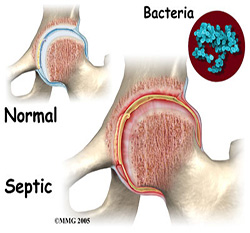
Joint infections occur when bacteria, fungi, or other microorganisms enter a joint, causing inflammation and damage to the joint surfaces. These infections are considered orthopaedic emergencies because they can rapidly destroy cartilage and lead to permanent joint damage if left untreated.
Common symptoms include:
- Severe joint pain
- Swelling and redness
- Warmth around the joint
- Reduced movement
- Fever and feeling unwell
Treatment typically involves urgent surgical washout of the joint combined with intravenous antibiotics or other appropriate medication. Early treatment is essential to prevent long-term complications and preserve joint function.
Dr Naidu provides comprehensive assessment and treatment of orthopaedic trauma and emergencies, with a focus on restoring mobility, function, and quality of life as safely and effectively as possible.